For decades, the goal of the internet was simple: rank on page one of Google. You optimised for keywords, built backlinks, and hoped a user would click your link to find what they needed. But have you noticed how often you don't click a link anymore?
Whether you’re asking Siri for a weather update, prompting ChatGPT for a strategy, or reading a Google Search Overview, we’ve moved from the Age of Search into the Age of Answers. If your digital strategy is still stuck in 2020, you’re essentially running a library in a world that just wants an executive summary.
At Mintyy, we’ve been evolving our infrastructure to handle this shift. Here is the breakdown of the three acronyms defining your future visibility: SEO, AEO, and GEO.
Defining the Players
1. SEO (Search Engine Optimisation)
This is the old ye faithful. SEO is the process of optimising your website to be crawled, indexed, and ranked by search engines like Google or Bing.
- The Goal: Drive traffic to your website.
- The Metric: Clicks and impressions.
- The Method: Keywords, site speed, and "link juice."
2. AEO & GEO (Answer Engine / Generative Engine Optimisation)
For the purposes of our strategy, AEO and GEO are essentially the same thing. AEO focuses on providing the direct answer to a query, while GEO specifically targets the "Generative" AI models (like Gemini, Claude, or GPT-4o) that synthesise information to create that answer.
- The Goal: Become the source of the AI’s answer.
- The Metric: Brand citations and "Zero-Click" visibility.
- The Method: Structured data, clear "entity" authority, and conversational content.
Real-Life Use Cases
Depending on your industry, your focus might shift between these three. Here is how they look in the real world:
Example 1: The Local Service (Focus: SEO)
Scenario: A homeowner in East Perth has a burst pipe at 2:00 AM. The Search: "Emergency plumber near me." Why SEO wins: In a high-intent, local emergency, people still want a website. They want to see a phone number, a "Contact" button, and proof of location. AI might tell them how to fix a pipe, but SEO gets the plumber the lead.
Example 2: The Complex Comparison (Focus: GEO)
Scenario: A CTO is looking for a new headless CMS. The Query: "Compare Sanity.io vs. Contentful for a medium-sized e-commerce site." Why GEO wins: The user doesn't want to read two 3,000-word sales pages. They want the AI to summarize the pros and cons. If Mintyy has published a structured, authoritative comparison, the AI will use our data to generate the answer, citing us as the expert.
Example 3: The "How-To" Authority (Focus: AEO)
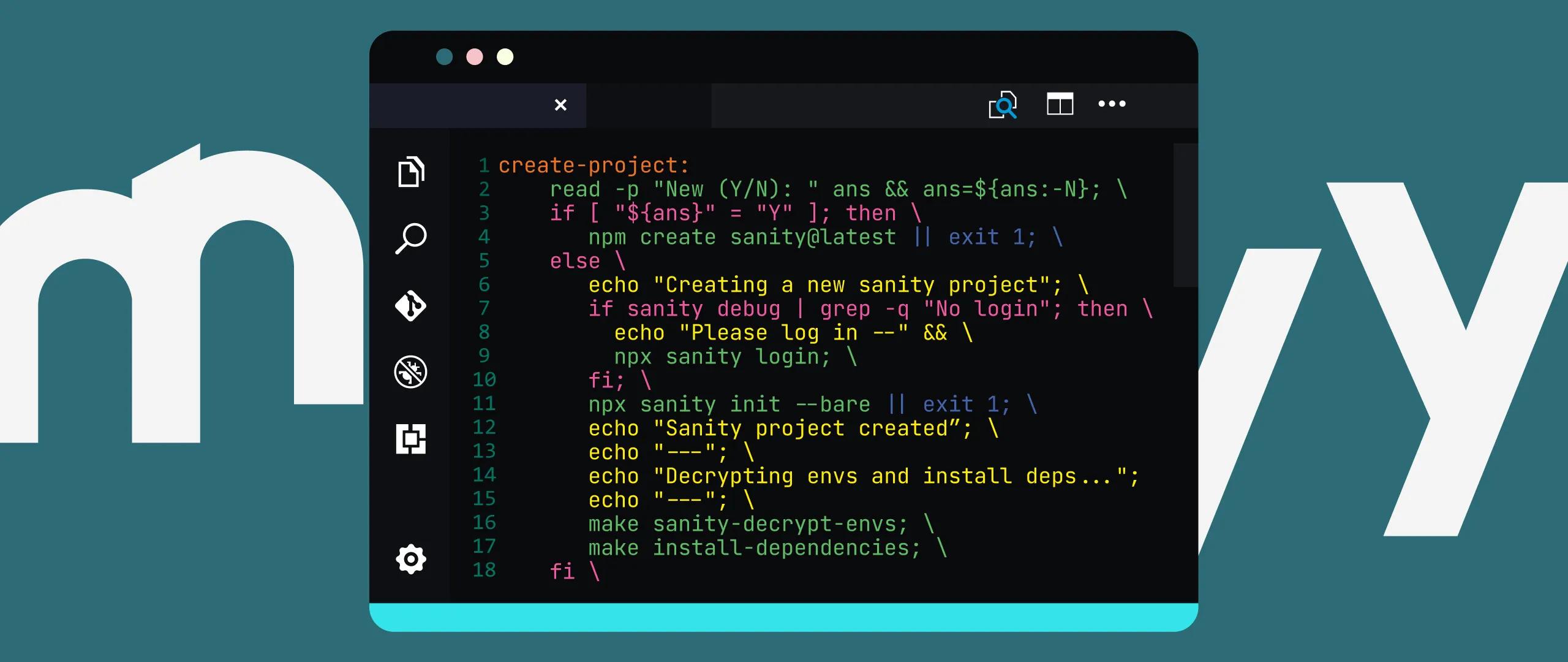
Scenario: A junior developer is stuck on a command. The Query: "How do I encrypt an .env file using a Makefile?" Why AEO wins: The developer wants the code snippet immediately. They don't want to scroll through an intro. By using "Make" commands and structured documentation (as we do at Mintyy), we become the "featured snippet" that provides the answer instantly.
Our Approach
At the end of the day, you shouldn't be choosing between SEO and GEO—you should be doing both. A website that is fast and accessible (SEO) provides the clean data that AI engines need to read and cite your brand (GEO).
Coming from a background where structure is everything, I’ve made sure Mintyy doesn't just build "pretty" sites. We build information architectures that are ready to be the primary answer in the AI era.
Is your website ready to answer the call, or is it just another link in the pile? Get in touch today and let's get your brand cited by the engines that matter.